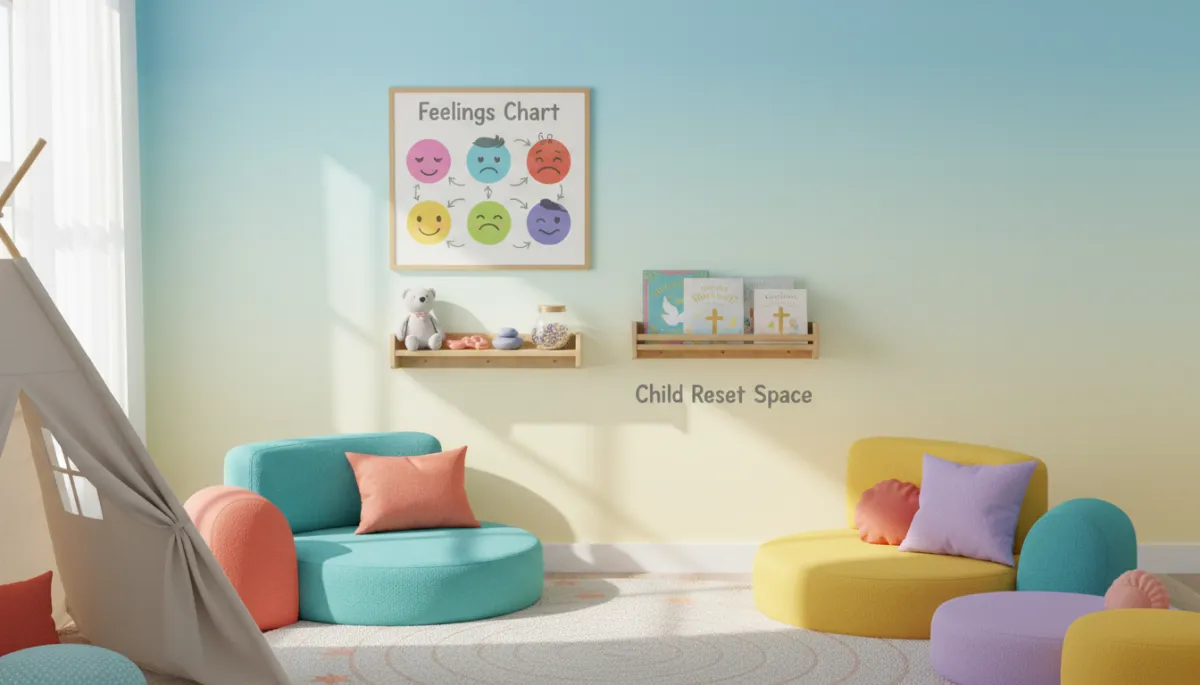
Creating a Calm Corner for Kids in a Caregiving Home
Kids Caregiving, Calm Corner, Emotional Support
Creating a Calm Corner for Kids in a Caregiving Home
When you care for kids—whether as a parent, grandparent, foster parent, or another kind of caregiver—you carry a lot on your heart. One simple, powerful tool you can add to your daily rhythm is a Calm Corner: a cozy, safe landing place where children can reset, breathe, and remember they are loved. In this guide, we’ll walk through how to design a child reset space, what simple caregiver tools to include, how to teach kids to use it before they’re upset, and how to weave it into a gentle caregiving day plan. We’ll also explore how the KidsCaregiver Collection/Series and Companion can help you build faith-filled, supportive prompts and scripts that make emotional support feel natural and doable.
What Is a Calm Corner—and Why It Matters in Kids Caregiving
A Calm Corner is a small, intentional space in your home where children can go to pause, breathe, and regulate their emotions. Think of it as a safe landing place for big feelings: not a punishment, not a “time-out,” but a gentle “time-in” where a child is invited to feel, notice, and reset with the support of simple tools and a caring adult nearby.
In the world of kids caregiving, you juggle routines, appointments, schoolwork, therapies, and more. In the middle of that swirl, children often pick up on stress and may show it through meltdowns, withdrawal, or clinginess. A calm corner anchors your home with a clear message: “You are welcome here with all your feelings. This is a safe place to land.”
📌 Key Takeaway: A calm corner is not about stopping big feelings. It’s about giving children a predictable, comforting place to experience those feelings safely and learn skills to work through them.
The Calm Corner as a Safe Landing Place for Children
Kids need to know that when life feels big, they won’t be pushed away—they’ll be drawn closer. A well-designed calm corner becomes that soft landing. It tells a child, without many words, “When your heart feels stormy, this is where you can come to rest.” Over time, it can reduce behavior outbursts, support trauma healing, and strengthen your connection with the child you care for.
Predictable: Kids know exactly where it is and what to expect when they go there.
Non-judgmental: It’s a place for feelings, not for punishment or shame.
Comforting: Filled with soft textures, soothing colors, and gentle faith-filled reminders of hope and love.
For children who have experienced medical challenges, foster care transitions, or other stressors, this kind of safe landing can be deeply healing. It reassures them that their emotions are not “too much” for you and that they have a specific child reset space where they can regroup.
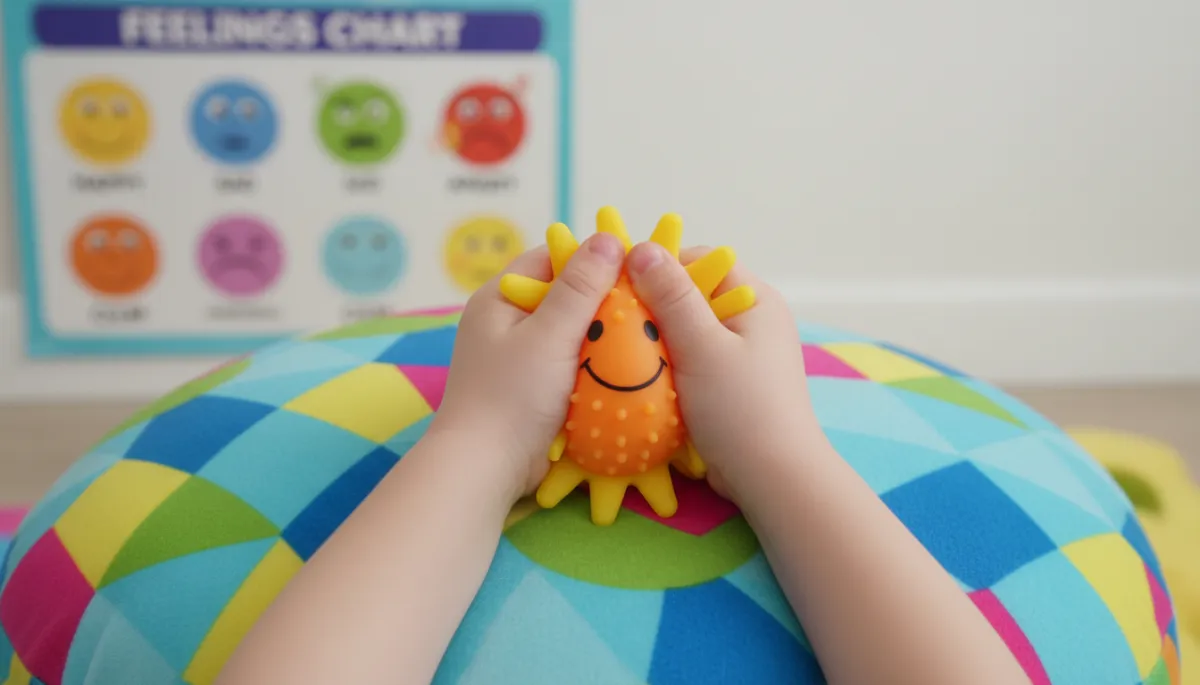
Simple sensory tools help children feel grounded and safe during emotional waves.
Simple Tools to Include in a Child Reset Space
You don’t need a big budget or a spare room to create a meaningful calm corner. A small nook, a cleared-out closet, or even a corner of the living room can become a powerful child reset space with just a few thoughtful items. Focus on tools that support the senses, emotions, and spirit.
1. Comfort and Coziness
Soft floor cushions or a small beanbag chair
A cozy blanket or weighted lap pad (if your child finds that soothing)
A favorite stuffed animal or “calm buddy” they can hug
2. Emotional Support Tools
A simple feelings chart with faces and words (happy, sad, mad, scared, excited, worried, etc.) so kids can point to how they feel, even if they don’t have the words yet.
Breathing cards or visual prompts (like “smell the flower, blow the candle”) to guide them through calming breaths.
A small mirror so they can notice their facial expressions and practice calming faces or “soft eyes.”
3. Sensory and Fidget Items
Stress balls, fidget spinners, or textured toys for busy hands
A small basket of playdough or kinetic sand (if you can supervise and your child can handle the mess)
Noise-reducing headphones or a simple sound machine with gentle rain or ocean sounds
4. Faith-Filled Stories and Support Tools
Because many caregiving homes are rooted in faith, your calm corner can also become a quiet place where children are reminded of God’s gentle presence. Consider including:
Short, faith-filled storybooks that talk about courage, kindness, forgiveness, and God’s love in kid-friendly language.
Scripture cards with simple verses like “When I am afraid, I will trust in You” or “God is with you wherever you go.”
A small cross, heart-shaped stone, or other gentle symbol they can hold while they breathe and pray.
💡 Pro Tip: Rotate items occasionally. Kids are more likely to use the calm corner if it feels fresh and inviting, but not cluttered.
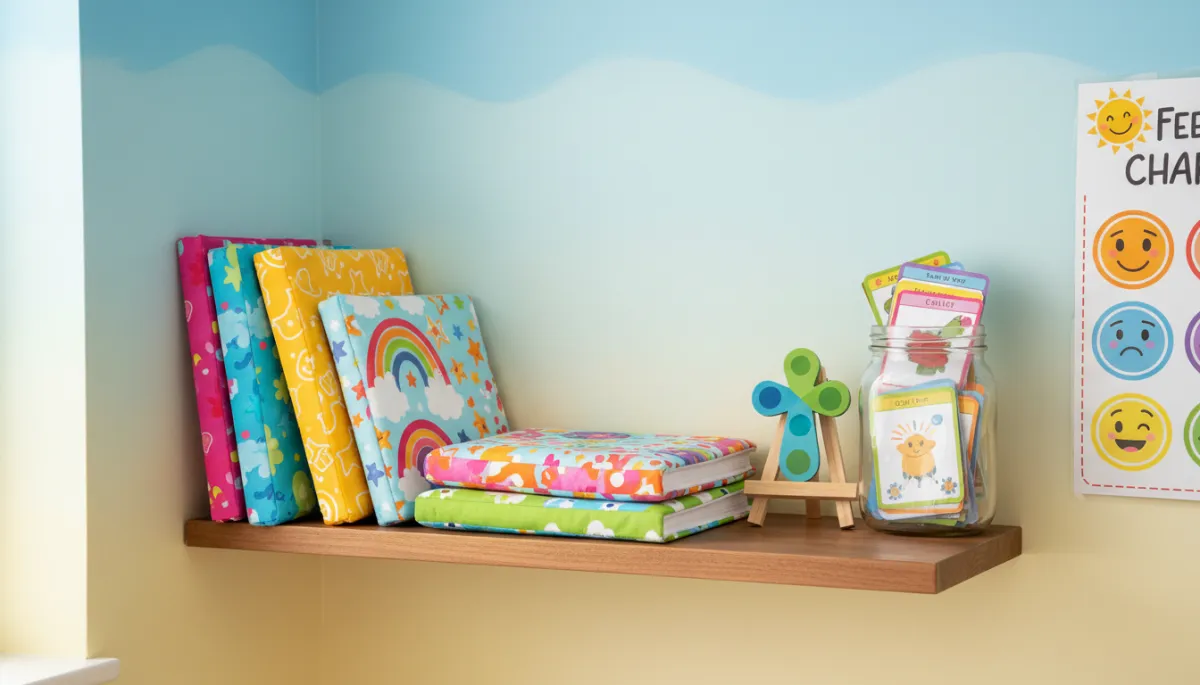
Faith-filled stories and visual aids gently remind kids they are never alone.
Teaching Kids to Use the Calm Corner Before They Are Upset
A calm corner works best when it’s introduced during peaceful moments—not in the heat of a meltdown. Teaching children to use it when they are calm helps their brains connect this space with safety and comfort, rather than with conflict or shame.
Step 1: Introduce It Playfully
Sit with your child in the calm corner during a regular day. You might say something like: “This is our Calm Corner. It’s a special place where we can go when our feelings feel big—happy-big or sad-big or mad-big. We can come here to breathe, talk to God, and remember that we’re safe.”
Explore the tools together. Let your child choose their favorite cushion, pick a calm buddy, and practice using the feelings chart. You can even role-play: pretend you are frustrated, then say, “I think I’ll go to the calm corner to help my body feel safe again.”
Step 2: Practice When They’re Only a Little Upset
When your child is mildly frustrated—maybe a game didn’t go their way or a sibling grabbed a toy—gently invite them to the calm corner with you. Use soft language like: “Your face looks a little stormy. Want to visit the Calm Corner together and check the feelings chart?”
At first, you’ll likely stay with them, modeling deep breaths, naming feelings, and reading a short faith-filled story or prayer. Over time, they may begin to go there on their own, knowing it’s a safe landing place where they can reset.
Step 3: Use Gentle Scripts, Not Demands
Avoid phrases like “Go to the calm corner right now!” which can make the space feel like a consequence. Instead, try:
“Would the Calm Corner help your body feel safer right now?”
“Let’s visit the Calm Corner together and ask God to help us.”
“I’m going to the Calm Corner. You’re welcome to come with me.”
📌 Key Takeaway: Practice using the calm corner during calm and slightly-stressed moments so that when big emotions arrive, the space already feels familiar and safe.
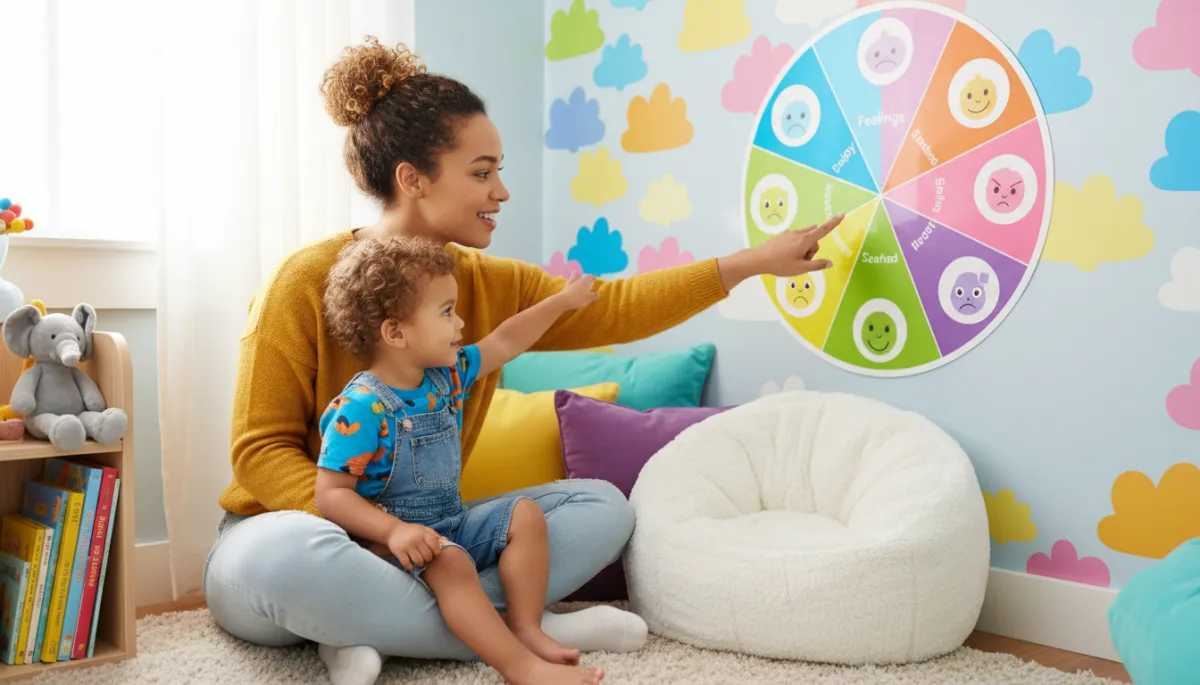
Practicing with the feelings chart in calm moments builds emotional vocabulary.
Weaving the Calm Corner into a Gentle Caregiving Day Plan
A calm corner is most powerful when it’s part of your everyday caregiving rhythm. Instead of only using it during meltdowns, consider where it can fit naturally into your caregiving day plan. This helps kids see it as a regular support, not an emergency-only spot.
Morning Check-In
Start the day with a quick visit to the calm corner. You might snuggle up on the cushions, look at the feelings chart, and ask, “How is your heart this morning?” You can read a short faith-filled story or verse and say a simple prayer together, asking God to be close in every feeling they’ll have that day.
Midday Reset
After school or a busy therapy appointment, pause at the calm corner for a “reset moment.” This might be five minutes of deep breathing, squeezing a stress ball, or reading a comforting story. This short pause can prevent bigger meltdowns later in the day by giving their nervous system time to settle.
Evening Wind-Down
Before bed, use the calm corner as part of your nighttime routine. Reflect on the day: “When did you feel happy? When did you feel sad or worried?” Let them point to the feelings chart, then offer reassurance and prayer. This rhythm helps children feel seen and heard, and it teaches them that every feeling has a place and a path toward peace.
💡 Pro Tip: Post a simple visual schedule that includes short Calm Corner times so kids know when these reset moments are coming.
How the KidsCaregiver Collection/Series and Companion Can Help
Even when we know a calm corner is helpful, it can be hard to find the right words in the moment—especially when we’re tired or stressed ourselves. That’s where the KidsCaregiver Collection/Series and Companion can be a real gift. These resources are designed to give caregivers ready-made prompts, scripts, and faith-filled tools that fit naturally into your Calm Corner routines.
Supportive Prompts and Scripts for Emotional Support
The KidsCaregiver materials can guide you in what to say when a child is overwhelmed. For example, you might find scripts like:
“Your feelings are not too big for me. Let’s breathe together.”
“God cares about how you feel. Can we tell Him together?”
“Let’s check the feelings chart and see what your heart is saying.”
Having these phrases at your fingertips means you don’t have to invent comforting language on the spot. Over time, they become part of your caregiving voice, helping you offer consistent emotional support that feels warm and grounded in faith.
Designing Your Calm Corner with KidsCaregiver Tools
The KidsCaregiver Collection/Series and Companion can also help you choose and organize your calm corner items. You might use:
Printable feelings charts and visual prompts that match your child’s age and understanding.
Short faith-based stories or devotionals written just for children in caregiving homes.
Companion guides that suggest simple daily routines, reflection questions, and prayer prompts to use in your Calm Corner.
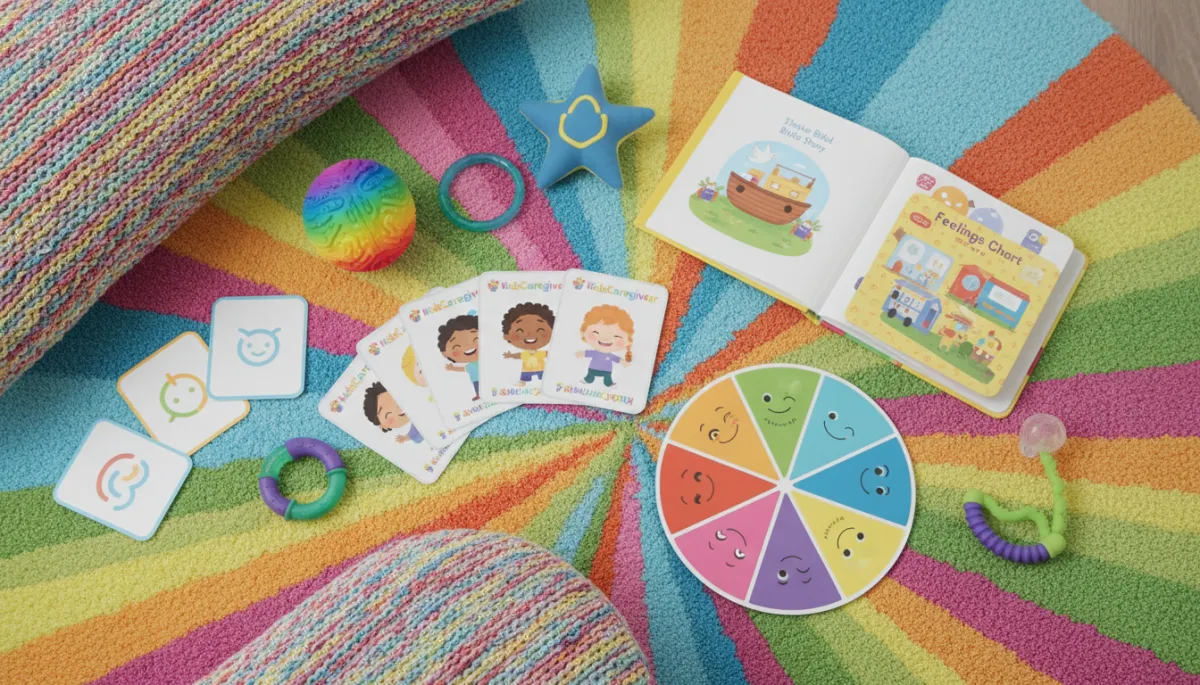
Ready-made prompts and tools make it easier to support kids consistently.
Building a Faith-Filled Calm Corner That Grows with Your Child
Your calm corner doesn’t have to be perfect on day one. It can grow and change as your child grows. What matters most is the message it carries: You are safe. Your feelings matter. God is with you here. As you add faith-filled stories, scripture cards, and KidsCaregiver support tools, you’re building more than a cozy nook—you’re building a rhythm of care that reaches both heart and soul.
For younger children, focus on pictures, simple words, and short stories with lots of repetition.
For older kids, add journaling prompts, slightly longer devotionals, and more detailed feelings charts.
For siblings or multiple children, let each child choose one or two personal items for the calm corner so it feels shared but still special.
💡 Pro Tip: Invite your child to help decorate the calm corner—choosing colors, hanging the feelings chart, or arranging books. When kids help create the space, they’re more likely to use it.
Encouragement for Caregivers: You Don’t Have to Do This Alone
If you’re reading this and thinking, “This sounds wonderful, but I already feel stretched thin,” you’re not alone. Many caregivers feel exactly the same way. The beauty of a Calm Corner is that it doesn’t have to be elaborate to be effective. A simple chair, a small basket of tools, a feelings chart, and a faith-filled storybook can be enough to start transforming how your home handles big emotions.
As you experiment with your own Calm Corner, let the KidsCaregiver Collection/Series and Companion come alongside you. Use their prompts to shape your caregiving day plan, lean on their scripts when you’re out of words, and trust that small, consistent steps add up to big heart changes over time.
Most of all, remember this: a calm corner is not about fixing your child. It’s about walking with them. It’s a safe landing place where you and your child can sit together, breathe together, and invite God into the middle of the mess and the miracle of everyday life. That kind of gentle, faith-filled kids caregiving is a gift—to your child, and to you.
