How to Explain Caregiving to a Child Ages 5–10
Caregiving, Children's Emotions, Supportive Storytelling
Gentle Caregiving Explanations: Helping Children Understand Illness with Stories, Support, and Love
When someone in the family is sick or needs extra help, children notice everything. They hear whispered conversations, see worried faces, and feel the shift in daily routines. What they often don’t get is a clear, kind Caregiving Explanation that helps them make sense of what’s going on. This blog is here to support you with child-friendly language, simple scripts, and Supportive Storytelling ideas so you can talk about illness, emotions, and caregiving in a way that feels safe, honest, and loving.
Why Children Need Clear, Gentle Caregiving Explanations
Children are amazing observers, but they are still learning how the world works. When a parent, sibling, or grandparent becomes ill, kids instantly sense that something is different. Without a clear Caregiving Explanation, their imaginations fill in the gaps. Sometimes they blame themselves, worry it is contagious, or fear that every illness means someone might die. Gentle, age-appropriate explanations protect children from those scary guesses and help them build real understanding of illness.
A good caregiving explanation answers three basic questions in child-friendly language:
What is happening? (Very simple description of the illness or condition.)
How does it affect our family? (Changes in routines, energy, or mood.)
How will we keep you safe and cared for? (Reassurance, practical plans, and love.)
💡 Pro Tip: Children do not need every medical detail. They need simple, honest facts, repeated often, wrapped in reassurance and affection.
Understanding Children’s Emotions When Someone Is Ill
Children’s emotions around illness can be big, confusing, and sometimes surprising. One child might cling and cry more, while another seems extra silly or even angry. All of these reactions are normal. Kids may feel:
Worry: “Will Mom get better?” “Will I get sick too?”
Confusion: “Why is Dad home so much but too tired to play?”
Jealousy: “Why does my brother get all the attention now?”
Guilt: “Did I cause this because I was mad or misbehaved?”
Relief and then guilt about that relief: “I like going to Grandma’s more now, but is that wrong?”
When we talk openly about children’s emotions, we show them that feelings are welcome and manageable. You might say, “Lots of kids feel worried or mad when someone they love is sick. Whatever you feel is okay, and I’m here to help you with it.” This simple message can lower their anxiety and invite them to share more honestly over time.

Naming feelings out loud helps children understand emotions instead of fearing them.
Using Child-Friendly Language to Explain Illness and Caregiving
Child-friendly language is clear, concrete, and kind. It avoids scary words, confusing metaphors, and half-truths that might backfire later. When you are focused on understanding illness, start with what your child already knows: “You know how sometimes you get a cold and your body works hard to fight the germs?” Then connect that to the current situation in a simple way.
Here are a few examples of gentle scripts you can adapt:
For a parent with a chronic illness: “Mom has an illness called arthritis. It means her joints hurt and get stiff. The doctors are helping her, and some days she has more energy than others. You didn’t cause this, and you can’t catch it like a cold.”
For a sibling with cancer: “Your brother has an illness called cancer. That means some of his cells are not working the way they should. The medicine he takes is very strong and may make him tired or lose his hair, but it is medicine that fights the sick cells.”
For a grandparent in the hospital: “Grandma’s heart needs extra help right now. The hospital has special machines and helpers. We can’t visit every day, but we can send drawings, and we will tell you when we can go.”
💡 Gentle Communication Tip: Use the real name of the illness in a calm voice, then explain it in a simple sentence or two. This builds trust and supports long-term understanding.
Supportive Storytelling: Turning Hard Topics into Safe Stories
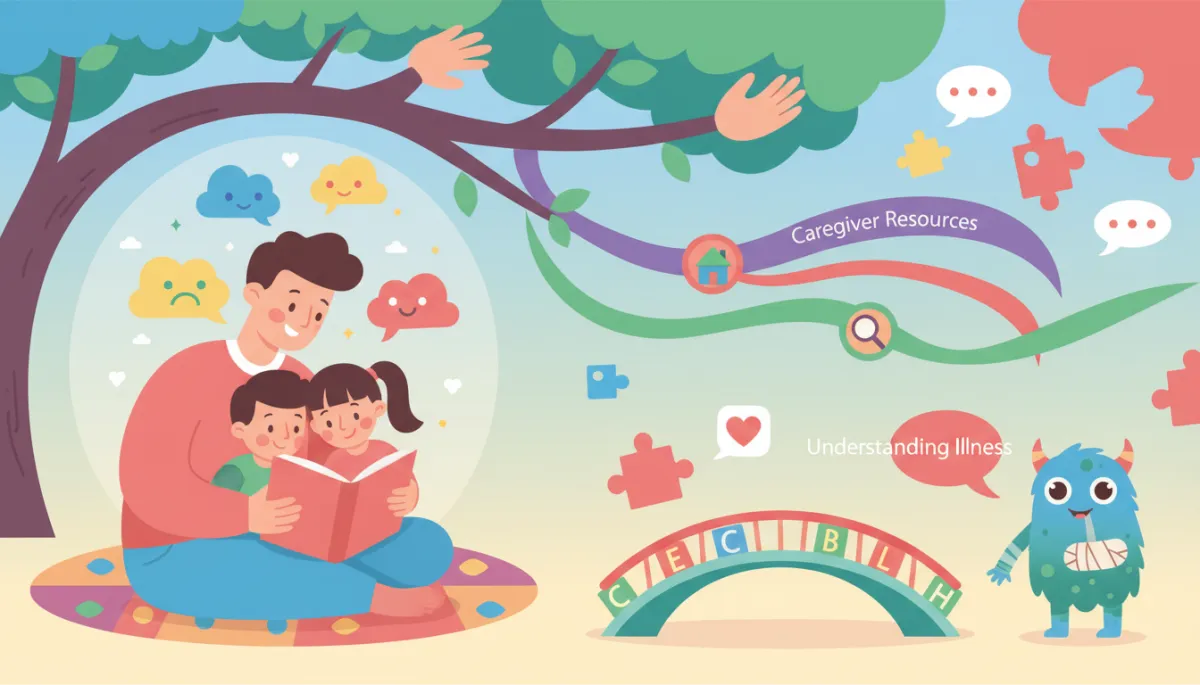
Supportive Storytelling is one of the most powerful tools caregivers have. Stories create a safe distance between a child and a scary situation while still offering real information and comfort. When you tell a story, children can see themselves in the characters, ask questions more easily, and practice new ways of coping with children’s emotions like worry, sadness, or anger.
You might create a simple story like this:
“Once upon a time, there was a little dragon whose mom had a tired heart. The dragon noticed she needed to rest more and couldn’t fly as high. At first, the dragon felt scared and mad. But then the dragon’s family talked together. They made new routines, found helpers, and discovered special ways to show love, like quiet cuddle time and drawing pictures. The dragon learned that even when a heart is tired, love is still strong.”
After the story, you can ask, “What do you think the little dragon felt?” or “Does anything in our family feel a bit like that?” This gentle, story-based support opens the door for deeper conversations about understanding illness and how your child is really doing inside.

Gentle stories give kids safe distance to explore big feelings about illness.
Practical Scripts for Everyday Caregiving Conversations
In the middle of medical appointments, phone calls, and changing routines, it can be hard to find the right words. Having a few simple scripts ready makes gentle communication easier, especially when emotions are high. Here are some everyday phrases you can adapt for your family’s situation to support Caregiving Explanation and children’s emotions:
When plans change suddenly: “Our plan changed because Dad is feeling extra tired today. I know that’s disappointing. It’s okay to feel upset. Let’s think of one small fun thing we can still do together.”
When your child notices medical equipment: “That machine helps the doctors watch how Grandma’s body is working. It looks and sounds different, but its job is to help keep her safe.”
When your child asks, “Are they going to die?”: For serious illness, you might say, “The doctors are doing everything they can to help. We don’t know exactly what will happen, but we do know we will keep loving and caring for each other every day.”
When your child feels guilty: “Nothing you said, did, or thought caused this illness. Grown-up bodies get sick for reasons we can’t always see. Your job is to be a kid, not to fix this.”
💡 Script Support: It’s okay to say, “I need a moment to think about how to answer that,” and then come back with a calmer, more thoughtful response. You do not have to answer perfectly in the moment.
Caregiver Resources: You Don’t Have to Do This Alone
Being a caregiver while supporting children is a big, brave job. You deserve tools, community, and rest. Thankfully, there are many caregiver resources designed to help you with Caregiving Explanation, Supportive Storytelling, and everyday questions about understanding illness in a kid-friendly way.
The KidsCaregiver Collection/Series and Companion at https://kidscaregivercollection.com/ is one example of a thoughtfully created resource. It offers stories, guides, and tools that use child-friendly language and playful visuals to help kids make sense of illness and caregiving. These materials can give you ready-made scripts, activity ideas, and story-based support so you don’t have to start from scratch every time your child asks a hard question.
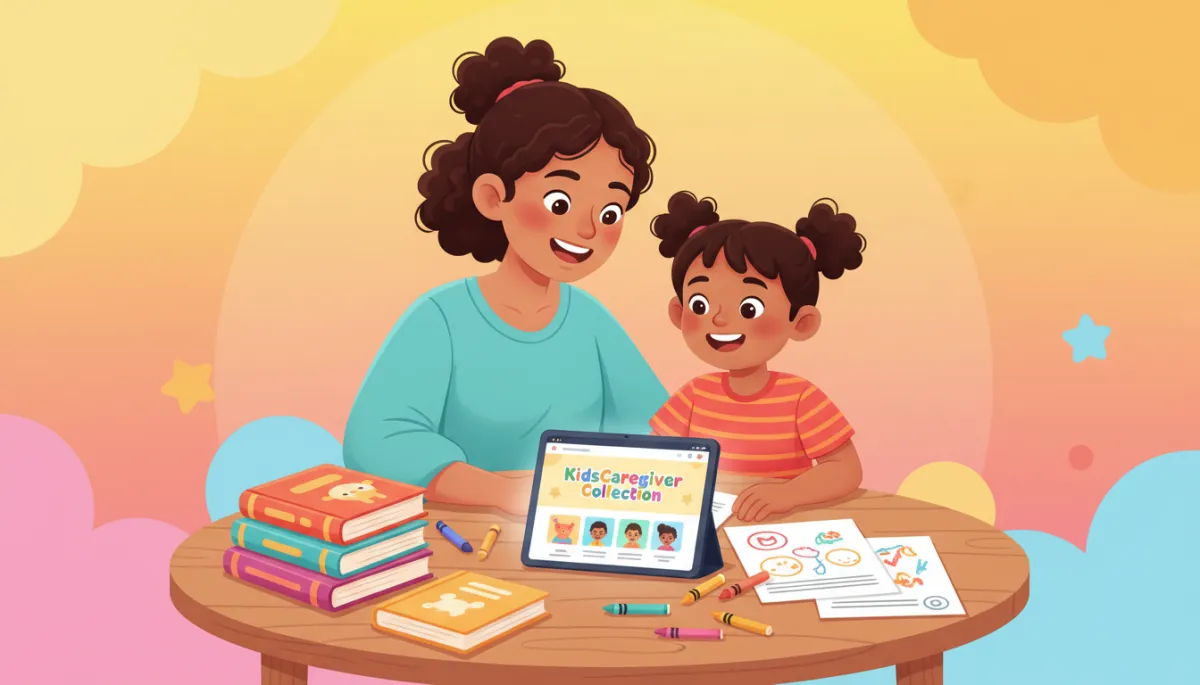
Using kid-focused resources lightens your load and deepens children’s understanding.
Other helpful caregiver resources might include:
Hospital child-life specialists who can explain procedures and equipment in child-friendly ways.
Local support groups or online communities for parents and caregivers navigating illness with kids.
Therapists or counselors with experience in pediatric grief, trauma, or family illness.
💡 You Matter Too: Taking care of your own emotional health is not selfish. It is one of the most powerful ways you support the children who look to you for strength and safety.
Everyday Moments that Build Understanding of Illness
Understanding illness is not a one-time conversation; it’s a series of small, everyday moments. Each time your child asks, “Why is Grandpa coughing so much?” or “Why do you have to leave for the doctor again?” you have a chance to add one more puzzle piece to their picture of what is happening. Over time, these tiny explanations, stories, and check-ins add up to real understanding and resilience.
Try weaving gentle information into daily life:
While packing a hospital bag, narrate in simple terms: “I’m bringing snacks and a book because I might be waiting while the doctors help Dad.”
During playtime, join their pretend game and gently introduce caregiving themes: “This stuffed animal is going for a checkup. How can we help them feel safe?”
At bedtime, use Supportive Storytelling to revisit the day: “Today was a big day with Mom’s appointment. What part felt the hardest? What part felt okay?”
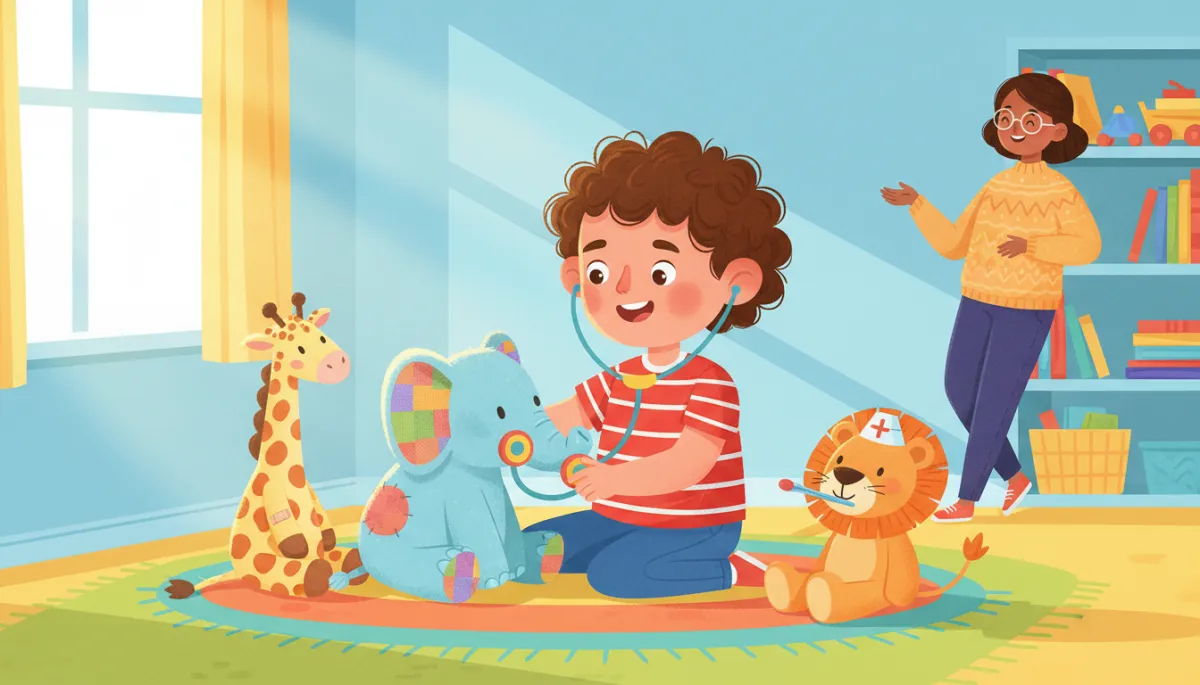
Play gives children a safe way to process medical experiences and caregiving changes.
Balancing Honesty, Hope, and Gentle Communication
One of the hardest parts of caregiving is balancing honesty with hope. You want to protect your child, but you also want to build trust. Gentle communication means telling the truth in ways your child can handle, at their age and stage, and offering steady reassurance that they are loved and not alone in this experience of illness and caregiving.
Here are a few guiding principles:
Be honest, but not overwhelming. Share small, truthful pieces of information and check how your child is feeling before adding more.
Welcome questions. If you don’t know the answer, it is okay to say, “I’m not sure, but I will try to find out,” or “That’s something even grown-ups don’t fully understand.”
Repeat reassurances. Children need to hear again and again that they are loved, not to blame, and allowed to feel whatever they feel.
💡 Gentle Reminder: You do not have to be a perfect storyteller or expert in illness. Your calm presence, willingness to listen, and simple explanations are already a powerful gift.
Bringing It All Together: You and Your Child, Side by Side
Caring for someone who is ill while supporting a child is not easy, but it is deeply meaningful. With clear Caregiving Explanation, attention to children’s emotions, and Supportive Storytelling, you can create a family culture where questions are welcome, feelings are safe, and love is felt even on the hardest days. Using child-friendly language helps your child build real understanding of illness instead of silently worrying or guessing.
Remember, you do not have to do this alone. Reach for caregiver resources like the KidsCaregiver Collection/Series and Companion at kidscaregivercollection.com. Tools like these can offer ready-made stories, scripts, and activities that turn tough conversations into shared moments of connection and understanding. When you combine those supports with your own warmth and presence, you give your child exactly what they need most: a sense of safety, belonging, and hope, even in the middle of illness.
You are already doing something extraordinary by showing up, asking questions, and looking for ways to talk kindly about hard things. One conversation, one story, and one small reassurance at a time, you and your child are learning how to walk this path together. And that, more than any perfect script, is what truly helps children feel loved, supported, and strong.
