
Why Kids Act Out When Someone in the Family Is Sick
Parenting, Child Behavior, Family Illness, Caregiver Support
Why Kids Act Out When Someone in the Family Is Sick
When a loved one is unwell, the whole household feels it—especially children. You might notice more tantrums, backtalk, clinginess, or tears and wonder, “What is going on?” This friendly guide unpacks Why Kids Act Out When Someone in the Family Is Sick and offers simple, compassionate ways to bring back steadiness, routines, and connection.
When Illness Enters the Home, Kids Feel It Deeply
A family illness changes the emotional weather in your home. Appointments, medications, and new worries often mean less time, energy, and patience for everyday life. Even if you try to shield your children, they pick up on the tension. They notice hushed conversations, changed routines, and the way adults’ faces look more serious or tired.
For kids, all of this can turn into intense stress in children. They may not have the words to say, “I’m scared,” or “I feel left out,” so their feelings often show up as Child Behavior changes—acting out, withdrawing, or suddenly becoming “difficult.” Understanding that these behaviors are signals, not just “bad behavior,” is the first step toward offering real support.
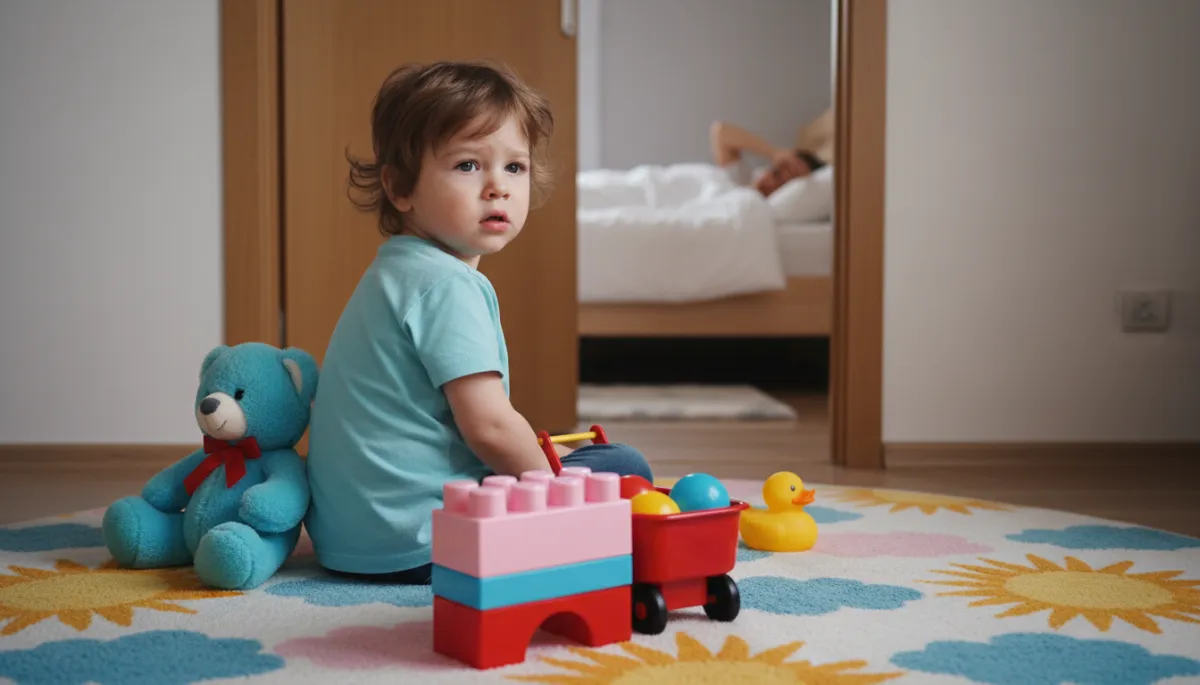
Kids often express worry through changed behavior long before they find words.
Emotional Dysregulation: When Feelings Spill Over
One big reason kids act out during a family illness is something called Emotional Dysregulation. That’s a fancy way of saying their feelings get so big, they can’t manage them in a calm way. When stress in children rises, their nervous systems go on high alert. Little frustrations—like being told “no” or a sibling touching their stuff—can trigger huge reactions.
You might see:
Sudden tantrums or meltdowns over small things
Clinginess, separation anxiety, or refusal to go to school
Regression, like bedwetting or baby talk
Defiance, arguing, or “testing” boundaries
These behaviors can be exhausting for caregivers, especially when you’re already stretched thin. But underneath the surface, they are often expressions of fear, confusion, and sadness. Seeing acting out as a form of Emotional Dysregulation helps you respond with empathy instead of only punishment.
💡 Gentle Reminder: Your child isn’t giving you a hard time—they’re having a hard time. Their nervous system needs calm, connection, and predictable routines to feel safe again.
How Family Illness Disrupts Routines and Boundaries
Kids thrive on predictable routines and clear boundaries. When someone is sick, those familiar anchors often get shaken. Dinner might be later, different adults may be in charge, or bedtime stories may disappear for a while. Even small changes can increase stress in children, because predictability equals safety in their world.
At the same time, adults may feel guilty about the sick person not being able to participate, or about having less patience. It’s easy to loosen boundaries—extra screen time, skipped chores, or letting things slide—just to get through the day. While understandable, this can accidentally send mixed messages and actually increase kids’ anxiety and acting out.
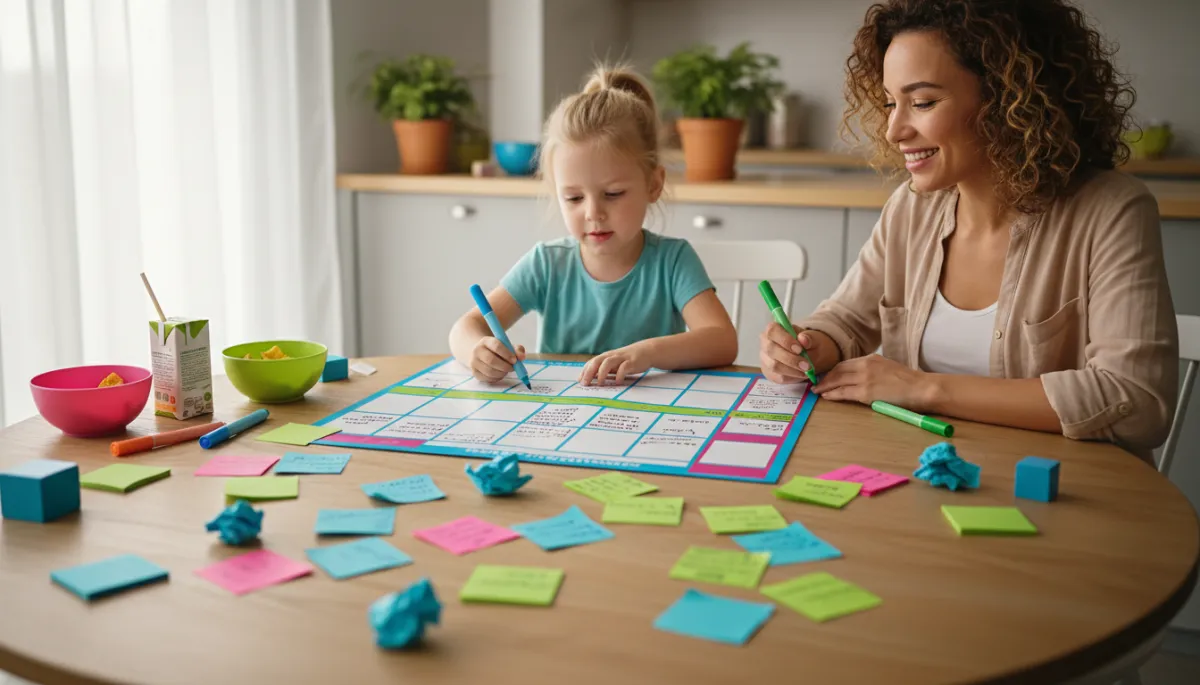
Simple visual routines help kids feel steady when life around them changes.
What Acting Out Might Really Be Saying
When you look beneath the surface of challenging Child Behavior during a family illness, you might find messages like:
“I’m scared something bad will happen.”
“I miss how things used to be.”
“Do you still see me? Do I still matter?”
“I don’t understand what’s going on, and that feels scary.”
Remember, children often communicate through behavior more than words. When you respond with curiosity—“What might this behavior be telling me?”—you’re already practicing powerful Parenting Strategies that bring more understanding and less shame into the situation.
Simple Parenting Strategies to Reduce Stress in Children
You don’t need to be a perfect parent to help your child through a family illness. Small, consistent steps can lower stress in children and support better behavior. Here are some gentle Parenting Strategies to try.
1. Protect Routines Where You Can
Think of routines as the “bones” of your child’s day. Even if you can’t keep everything the same, try to anchor a few predictable moments:
A regular wake-up and bedtime window
A short check-in time after school (“Tell me one good thing, one hard thing.”)
A simple bedtime ritual: story, song, or gratitude moment
When life is unpredictable, these repeated patterns reassure your child: “Some things are still the same. I can count on this.”
2. Keep Boundaries Kind and Clear
Holding boundaries when you’re exhausted may feel impossible, but clear limits actually lower stress in children. Instead of harsh consequences, think of boundaries as guardrails that keep everyone safe and respectful. You might say:
“It’s okay to feel mad. It’s not okay to hit. You can stomp on this pillow instead.”
“We still brush teeth before bed, even on hard days. I’ll do it with you.”
Consistent boundaries send the message: “The adults are still in charge. You don’t have to carry the weight of the world.”
3. Strengthen Connection in Small Moments
When you’re juggling medications, appointments, and your own emotions, long play sessions may not be realistic. Instead, focus on bite-sized connection:
A 5-minute card game or silly dance between tasks
Eye contact and a gentle hand on their shoulder while you talk
A quick note in their lunchbox: “I’m thinking of you. Love, Mom/Dad.”

Even five minutes of playful connection can reset a child’s nervous system.
Scripts You Can Use When Kids Ask Hard Questions
In stressful times, it helps to have a few gentle scripts ready. These simple phrases can guide you when your child asks tough questions or shows big feelings. Feel free to adjust them to your family’s style and your child’s age.
Script for Explaining Illness
“Grandma’s body is not working the way it’s supposed to right now. The doctors are helping her. You might see her resting more and going to appointments. You didn’t cause this, and you can’t catch it like a cold. It’s okay to ask me questions anytime.”
Script for Big Feelings and Emotional Dysregulation
“Your body looks really upset right now. This is a lot to handle. I’m here with you. Let’s take some big dragon breaths together, then you can tell me what’s going on, or we can draw it if talking is too hard.”
Script for Reassurance and Support
“Things feel different at home because of the sickness, but some things are the same: you are loved, you are safe, and the grown-ups are taking care of the hard stuff. We will get through this together.”
💬 Try This: Practice your favorite scripts when things are calm. It’s easier to find the words in stressful moments if you’ve already said them out loud once or twice.
Caring for the Caregivers: Why Your Support Matters Too
In the middle of a family illness, it’s easy to forget that Caregiver Support is not a luxury—it’s a necessity. When you’re running on empty, it’s much harder to stay patient with challenging Child Behavior or to respond calmly to Emotional Dysregulation. Taking care of yourself is one of the most powerful Parenting Strategies you can offer your children.

Small moments of caregiver support refill your patience and presence for kids.
Consider small steps like:
Asking a friend or relative to handle a school pickup or drop off a meal
Taking 10 minutes to walk, stretch, or breathe deeply while someone else watches the kids
Joining an online support group for caregivers in similar situations
📌 Key Takeaway: When caregivers receive support, kids indirectly receive it too. A calmer adult nervous system helps soothe stress in children.
When to Reach Out for Extra Help
Sometimes, even with your best efforts, your child’s Emotional Dysregulation and behavior may feel overwhelming. That’s not a failure—it’s a sign that you might benefit from more support. Consider talking with a pediatrician, school counselor, or child therapist if you notice:
Ongoing sleep problems or nightmares for several weeks
Significant withdrawal from friends, school, or activities they used to enjoy
Aggressive behavior that feels unsafe to them or others
Physical complaints (stomachaches, headaches) with no clear medical cause
Professionals can help your child build coping skills, and they can offer you additional Parenting Strategies to navigate this season. Reaching out is a brave act of love—not a sign that you’re not doing enough.
Bringing It All Together: Support, Not Perfection
Living through a family illness is hard on everyone. It’s completely normal for children to act out, cling, or fall apart more often. Underneath the challenging Child Behavior is usually a heart that’s trying to make sense of big changes and big feelings. When you remember that, you can respond with more compassion—for them and for yourself.
By protecting simple routines, holding kind boundaries, building everyday connection, and using gentle scripts, you’re already easing stress in children. Adding in Caregiver Support for yourself helps you stay steadier, which in turn helps your child feel safer and more regulated, even in uncertain times.
You don’t have to fix every feeling or stop every meltdown. Your presence, your effort to understand Why Kids Act Out When Someone in the Family Is Sick, and your willingness to offer steady support are already powerful gifts. One small, caring step at a time, you and your child can walk through this season together—and come out with deeper resilience and trust on the other side.
